
Stan Marsh
-
Posts
15130 -
Joined
-
Last visited
-
Days Won
143
3 Followers

Stan Marsh's Achievements





-

Корпуса и тюнинг наших законченных винилпроигрывателей.
Stan Marsh replied to Agats's topic in Analog
Скажите, Лаптев, а зачем вы сюда тащите с затхлого Сундука чей-то поток сознания? Или он ваш собственный? -
Подключение лампового усилителя от балансного выхода ЦАП
Stan Marsh replied to Antur's topic in Valve
https://www.tubecad.com/2025/04/blog0619.htm -
Ну, если речь про гальваническую развязку, то её обеспечивает только трансформатор, если наша задача скромнее: чтоб высокое постоянное напряжение не попало в нагрузку, то с этим прекрасно справляется разделительный кондененсатор.
-
Конденсатор.
-
Ужас! Что делается?! Никакого уважения к интеллектуальной собственности: то Канье Уэст стырит "Седую ночь", то Черкунов - тонарм!
-
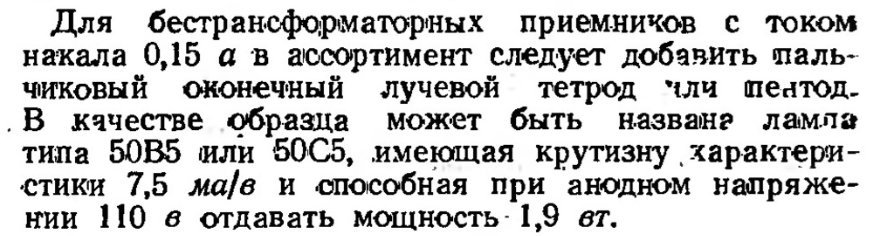
"Какие нам нужны радиоламп" , 1950 год:

-
Ага, да ещё и прожарить их надо перед измерениями, часов сорок.
-
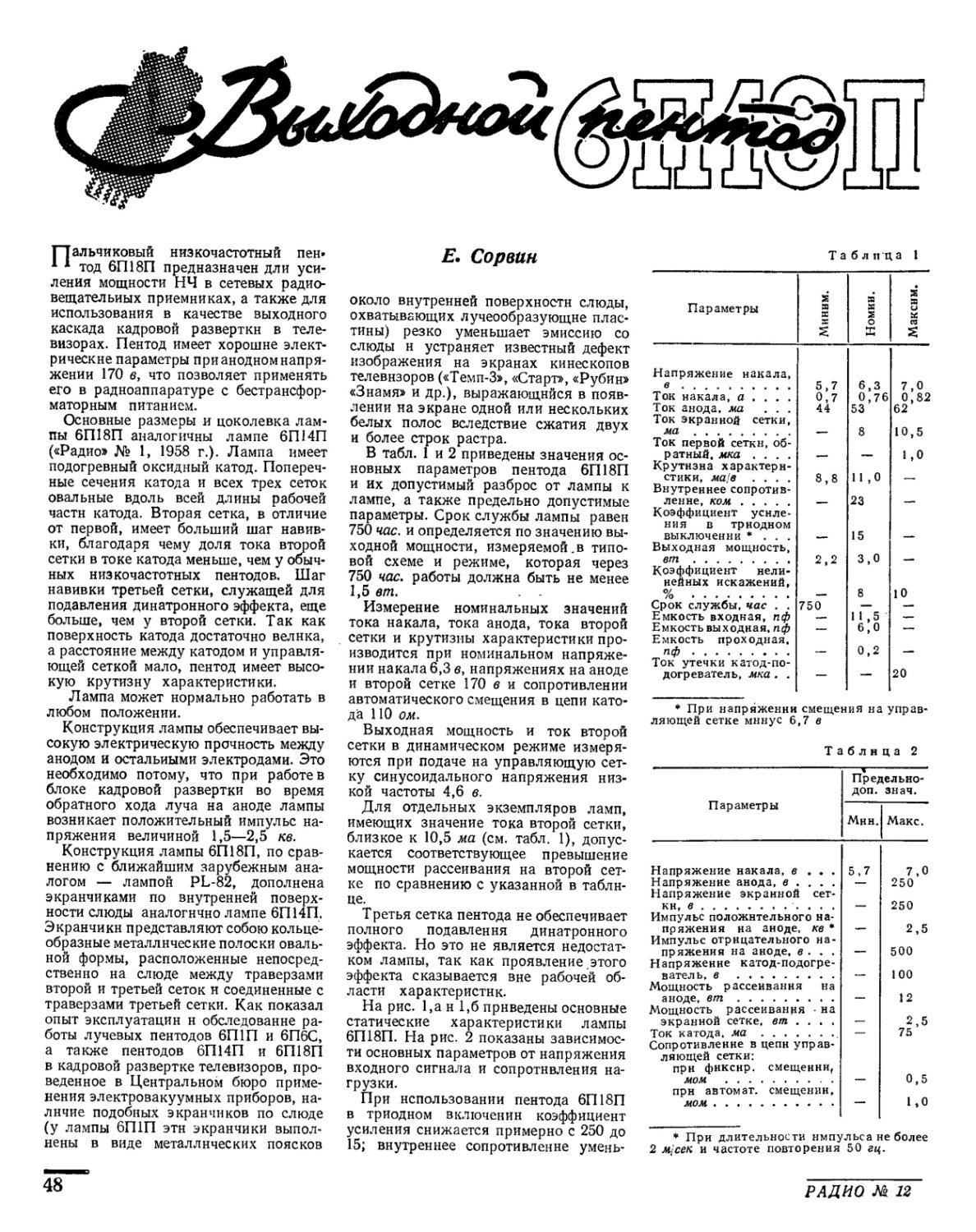
Ну, 6П18П и, тем более, 6П43П в серьёзные изделия не шли, так, бытовуха. Повышенной точности ожидать от них не следует.
-
Конечно! Целые серии ламп выпускались для бестрансформаторного питания. И у нас, и там. Не говоря уже о компактронах.
-
https://audioportal.club/threads/30p1s.539/?ysclid=mod8cofqrq406106404
-
Думаю, вопрос целенаправленно для Михаила Евлампия, у него такого опыта выше крыши. И Гудманс наверняка есть. Или был.
-
Подключение лампового усилителя от балансного выхода ЦАП
Stan Marsh replied to Antur's topic in Valve
Ну, у некоторых ЦАПов громкость регулируется программно, с ЗК проблем нет, а остальные источники - да, придётся счетверённым. Есть, конечно, всякие экзотические способы, но там свои заморочки. -
Ну, это как сказать. Какая-нибудь, скажем, 18040 сильно неудобнее, но когда нас это останавливало, раз уж лампа хорошая?
-
Подключение лампового усилителя от балансного выхода ЦАП
Stan Marsh replied to Antur's topic in Valve
Это идеальный вариант для РР: не нужен ФИ, а усилитель будет двухтактным со входа. В других случаях преимуществ нет. -
Спасибо, но соревнования с российским хаемэндом последние двадцать лет меня не вдохновляют. У нас с вами разные цели и задачи, да и профессии тоже.